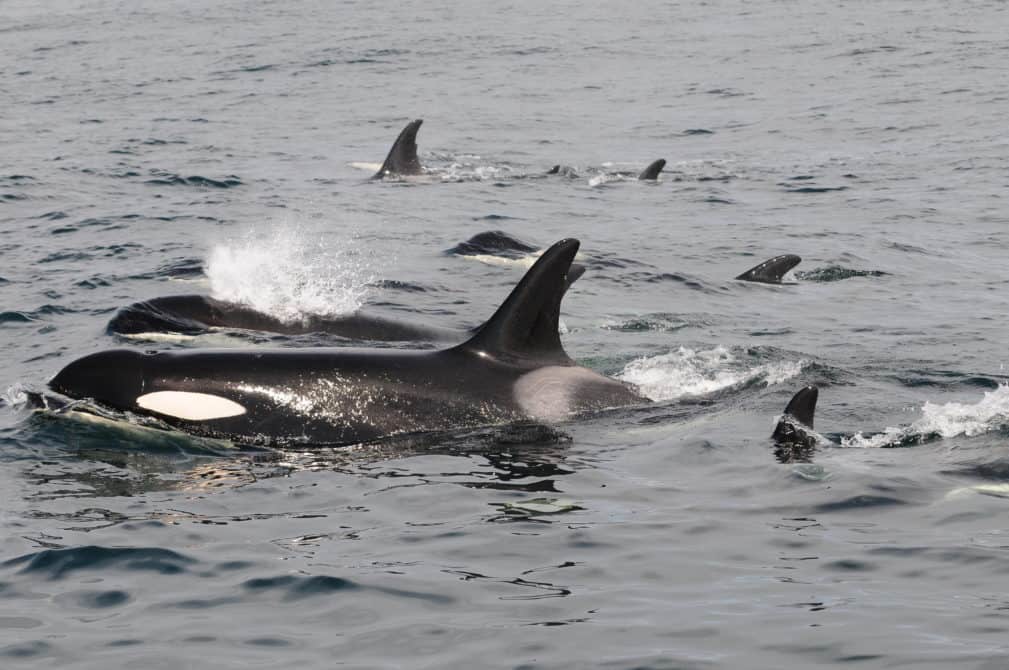
Adopt a Killer Whale!
Adopt online
Your adoption will support conservation efforts that safegaurd these iconic ocean ambassadors.
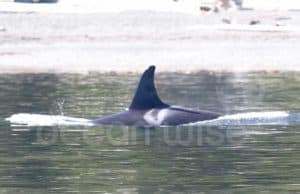
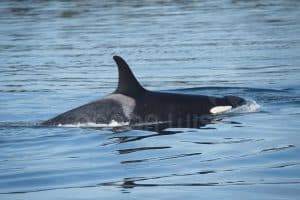
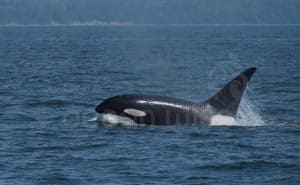
Symbolically adopting a wild killer whale will connects you with one of these amazing animals.
Since 1992, the Wild Killer Whale Adoption Program has supported conservation-oriented research on wild killer whales by Ocean Wise’s Marine Mammal Research Program. While research is directed mostly on wild killer whales, it also includes other marine mammals that killer whales interact with in their marine environment. Research discoveries are shared through scientific publications, media, social media and public lectures, and through the provision of expert advice to governments, industry, and non-government organizations. Over the past 25 years, the Adoption Program has supported many ground-breaking research projects.
Your monthly gift makes a difference! Each monthly contribution will receive:
✓ Updates on Ocean Wise killer whale conservation efforts and opportunities to hear from marine mammal experts
✓ Ocean Wise monthly newsletters with the latest on exciting ocean conservation initiatives
✓ An annual tax receipt for each month your adoption is active
Your support matters
Your monthly support through the Killer Whale Adoption Program will support a range of conservation activities at Ocean Wise, including the Marine Mammal Research Program’s killer whale research and other conservation activities that protect our ocean and the animals who call it home.